Friday, February 02, 2007

Osseointegration


Osseointegration - Bone anchored prostheses for above knee amputated patients!

Hundreds of thousands of people all over the world have had a leg amputated due to accidents, diseases or landmines. In 2005 Sahlgrenska University Hospital will be seeing
40-50 above knee amputated patients from outside of Sweden, in order to attach leg prostheses using titanium screws, a process known as osseointegration. The method, in
which Sweden is a world leader, enables above knee amputated patients to live virtually normal lives. Patients with other types of amputation also receive osseointegration treatment.

M.A.S. Socket: A Transfemoral Revolution


M.A.S. Socket: A Transfemoral Revolution
By Miki Fairley

The M.A.S.® socket design is an evolution--and perhaps even a "revolution"--in the development of ischial containment (IC) socket concepts. Since 1999, when Marlo Ortiz Vazquez del Mercado, Ortiz Internacional, Jalisco, Mexico, first unveiled his new design, it has continued to arouse interest throughout the O&P worldwide community. Recently the design was featured in the Thranhardt lecture series during the American Academy of Orthotists & Prosthetists 2004 Annual Meeting and Scientific Symposium.

The new design provides several clinical benefits: patients can sit more comfortably; there is no plastic beneath the gluteus; the prosthesis is easier to don; patients enjoy full range of motion, better functional gait--and important to patients and family members too--much better cosmesis. Seeing a video of patients walking, sitting, and demonstrating the range of motion possible is truly amazing.

Ortiz, who is a prosthetist and engineer, has fit hundreds of patients with the design to date. These patients reportedly have had no difficulty in wearing the socket for long periods of time. In fact, one amputee, due to his work schedule, actually wore the socket for 28 straight hours with no discomfort.

Agnes Curran, CP, OPGA prosthetist, pointed out that the design seems to be surprisingly skin-friendly despite the intimately fitting contours. Generally there is no skin irritation, and some amputees who had worn previous prostheses found that existing skin problems cleared up.

OPGA, Waterloo, Iowa, along with O&P1, Waterloo, hosted an initial seminar in January 2004 in which Ortiz taught how to cast, modify, and fit the design. An office worker who came with prosthetists from Nebraska attending the first seminar served as one of the patient models. She wore her check socket all the way home to Nebraska and asked the prosthetists to come in over the weekend to laminate it so she could begin wearing it immediately. Another patient waited all day for his new socket rather than go home with the old one. This patient enthusiasm is testimonial to their acceptance of this new design.

Bob Tillges, CPO, FAAOP, Tillges Certified Orthotic Prosthetic Inc., Maplewood, Minnesota, is enormously enthusiastic about the new design. At the time of this writing, Tillges, who attended the initial OPGA seminar, has fit nine amputees with the socket and is in the process of fitting two more.

"All my patients have been very satisfied," he said. "They have no discomfort; there's better ischial containment and range of motion. In fact, one of my patients' wives called me and said, "This is the most awesome prosthesis my husband has ever worn! I can't even see it under his slacks." She added that it had always bothered her before when her husband's prosthesis outline was visible.

"I'm taking time to learn and understand the mechanics of Marlo's system, and I'm getting very good results," Tillges added. Although most of Ortiz's patients are younger, Tillges has a large percentage of geriatric amputees. He has fit amputees aged from 44 to 81, including several in their 70s. Four of the 11 use some auxiliary suspension, but the others use true suction suspension only. "These sockets stay in total contact with flexion, extension, adduction, and abduction," Tillges said. "Something that has always bothered me as a professional is when you can see gapping, spaces, or outline of the socket under clothing." Although many were skeptical at first and thought the design would cause proximal tissue roll development, Tillges said, "We have not experienced that problem." He added, "With better ischial containment, you reduce the amount of tension values needed for suction, get more comfort, and achieve better suspension."

Tillges started his O&P career carving and fitting wood sockets in the 1970s; he has seen socket technology develop through 30 years up to the present. Some iterations of the ischial containment concept through the years have included the quadrilateral "quad" socket shape taught by the O&P schools at New York University (NYU), Northwestern, and the University of California-Los Angeles (UCLA). Ivan Long, CP, developed his Long's Line, and John Sabolich, CPO, came up with the Contoured Anterior Trochanteric Controlled Alignment (CAT/CAM) method. Tillges feels that Ortiz has gone beyond these in IC design excellence. He noted how much his patients who have worn other socket designs appreciate the new sockets: "No way do they want to go back to what they had before." Tillges is also educating his company's residents and young practitioners in the technique.

The Design: What Is It?
So, what is the M.A.S. socket? Ortiz describes his design: "It is very important to consider the angle of the ischial ramus. The ischial tuberosity and part of the ramus as well as the medial aspect of the ramus are encapsulated within the medial aspect of the socket brim." Generally, the medial wall is lowered anteriorly to avoid pressure on the ascending ramus; effectively ischioramal weight-bearing eliminates the need for gluteal support, so those tissues can be excluded from the socket, he explained.

In the conventional design, posterior trim lines include part of the gluteus maximus. In the M.A.S. design, the height of the posterior wall has been lowered to the gluteal fold, so the entire muscle belly can be free of the socket. "This will not only improve cosmesis but with this configuration, we have found that ischial tuberosity and part of the ischial ramus are encapsulated more effectively with no restriction in hip movement," Ortiz said.

"With the gluteal cutout, no weight bearing occurs in this area, and weight-bearing forces are vectored from the captured medial aspect of the ramus with a resultant force projecting to the anterior/lateral area of the socket," explained Al Pike, CP, in "A New Concept in Above-Knee Socket Design" (The O&P EDGE, November 2002).

What About CAD/CAM?
Can the design be adapted to CAD/CAM? Perhaps "down the road," is the answer. "The difficulty is not in measuring; it's in being able to modify the complex individual anatomical shapes correctly," said Dennis Clark, CPO. However, he foresees a time when the necessary tools can be incorporated into the CAD software to accomplish the socket design.

"Once people under-stand all the concepts of the design, they can identify what they are not getting from current CAD tools--and then it will be easier to develop what's needed," said John Michael, CPO, FAAOP, who also participated in the January seminar. Michael is a consultant to OPGA and is assisting in the development of the course series.

C-Leg, The Prosthetic High-Tech Explosion


The Otto Bock C-Leg® and Otto Bock Compact™ microprocessor-controlled knees are designed to deliver the best in stability and reliability. Both knees utilize easy-to-charge lithium ion batteries with 40-45 hours of power.

They are appropriate for people who:

Are transfemoral amputees, including those with bilateral limb deficiencies or hip disarticulation amputations
Are involved in activities that require a high level of stance stability
Walk or have the potential to walk on uneven terrain
Frequently descend stairs or negotiate slopes
The C-Leg is Ideal for people who:
Currently are or have the potential to be unlimited community ambulators
Can utilize Second Mode for varied activities such as bicycling, roller-blading, or extended periods of standing
Have the ability or potential to walk faster than 3 mph/5 kph and walks up to or more than 3 miles/5 km a day.
Are involved in activities requiring a high level of stance phase safety as well as efficient swing phase control
Change direction and speed suddenly for work, sport, or home activities.
Would benefit from automatic swing phase adjustments because of their activity level.
Would improve their gait when using stance extension damping
Second Mode Adds Options
C-Leg wearers can choose between two modes that are programmed by their practitioners. The first mode would be optimized for the patient's daily activities while the second mode would be programmed for activities in which the amputee participates. With just a few simple taps of the toe the C-Leg can switch between modes and go from a secure walking knee to a locked knee, such as for a surgeon to lean on during long procedures-or less resistance for a bicyclist who needs a freely swinging knee.

RHEO KNEE® technology in depth

RHEO KNEE® technology in depth
Perhaps a product designer's greatest challenge is to replace all physiologic function of the anatomical limb. Emulating the human anatomical, physiological and neurological system is a holistic task that is both complex and humbling. Anatomically, the designer must recreate structures of the body by using materials that enable everything from fine motor skills to ambulation. Neurologically, the designer must create a feedback mechanism that senses changes in the external stimuli and that uses the character of these changes to alter physiological responses in real-time.

The difficulty of meeting these challenges explains why commonly available prosthetic devices have such limited functionality. It also explains why Ossur turned to the Massachusetts Institute of Technology (MIT) to identify the state-of-the-art software, hardware and biomechanical technologies needed to make bionic prosthetics a reality. The results as realized in the RHEO KNEE® are striking: a synergy of artificial intelligence, advanced sensor and magnetorheological actuator technologies that give the user the unprecedented natural movement essential for embracing life without limitations. The specific technologies that achieve this synergy are the:

Dynamic Learning Matrix Algorithm™ (DLMA).
The RHEO KNEE® utilizes a software based artificial intelligence to learn the individual's walking style and provide a mechanism for continual monitoring and optimization of swing control. From the moment the first step is taken, the Rheo Knee compares the maximum degree of knee flexion achieved in each step during swing phase to targeted values set by the prosthetist with the Rheo Logic software. Swing flexion resistance values are then updated to limit excessive heel rise or promote heel rise depending on the walking speed. Swing flexion resistance values will influence extension rate and extension dampening making the swing phase adaptation process complete. Sampling and optimization of values is continual within the RHEO KNEE® even after the initial program has been set for the user by the prosthetist. Through constant monitoring and optimization, the Rheo Knee provides a virtual prosthetic adjustment to ensure that the individual?s walking style is targeted most appropriately.


This advanced technology uses magnetic fields, MR fluid, and rotary blades to vary the RHEO KNEE?s resistance in real-time. Microprocessor control initiates rapid kinetic response to sensory inputs through inductance command as frequently as 1000 times/second. With application of the magnetic field, carbyliron spheres are drawn together in electromagnetic chains. As the knee rotates into flexion or extension, fine rotary blades shear the particle chains to create resistance. The result is minimized fluid drag within the knee restoring more natural pelvic position during pre-swing and reducing fatigue levels.

Microprocessor Controlled Stance.
Through advanced sensing and processing, the RHEO KNEE® provides multiple safeguards against inadvertent stance release. The knee must be fully extended, momentarily still, and achieve 20% of the average maximum extension moment during each step to release. The microprocessor samples force measurements at a rate of 1000 times per second and is always aware of how the user is loading the prosthesis. Disturbances in the user's path are automatically recognized by the force sensors. Stance support is instantaneously activated to protect the user from a potential stumble and fall. By detecting these patterns in their earliest stages, the RHEO KNEE® can take the preventive actions to reduce the likelihood of a fall.

Rheo Logic Software.
This intuitive icon-based programming software runs on an HP iPAQ palm-based computer and makes operation simple. With the use of specialized SETUP modes, initial programming is automatic. You simply power the unit and have the user walk. SETUP modes calculate baseline starting values for swing and stance control. When manual adjustments are necessary to further customize the RHEO KNEE®, the software makes this task a fast and easy one. Multiple users and settings per user may be stored on the PDA and transferred to a PC making this tool very versatile.


No magnetic field applied to the MR fluid. Ironparticles are diffusing randombly allowing the disks to rotate freely in the opposite direction. Low magnetic field applied to the MR fluid. The iron particles start forming chains and resistance between the blades increases. The strong magnetic field has now caused the fluid to form continous chains and the knee can now been felt as rigid through the joint.


Clinical test results
In 2003, a study described in Industrial Robot (International Journal, Vol. 30, ~1 2003, P 42-55) assessed the clinical effects of the RHEO KNEE® by examining kinematic data from four subjects who were unilateral, transfemoral amputees. The investigators concluded that a user-adaptive control scheme and local mechanical sensing were minimally sufficient to enable amputees to ambulate in a biologically realistic manner (as compared against the schemes and sensing available in mechanically passive prostheses).

i-LIMB, The Prothetic High-Tech Explosion


Touch Bionics is the UK-based award winning company focusing on the supply of electrically powered Upper Limb Prostheses (ULP).

The Touch Bionics i-LIMB™ Hand offers users a step-change in functionality and performance, enabling patients to do more with their prosthetic hand. For example, the i-LIMB Hand has individually articulating fingers, a rotating thumb and a range of grip patterns. All these features are combined in a hand that is more anatomically correct than any other hand available.

Furthermore, the modularity of the i-LIMB System gives Touch Bionics’ customers the ability to fit clients with powered digits through to a complete arm, left or right, child to adult, from a small number of components. The products are also more anatomically
correct than any currently on the market, which allows for increased
functionality and improved cosmesis.

The i-LIMB Hand will be the first product available from the Touch Bionics i-LIMB System. The entire i-LIMB System, available in 2006/2007, will be the world’s first complete endoskeletal modular arm system.

Real Life Prosthetics


Now Open in Glasgow, DE!
Real Life Prosthetics (RLP), LLC, an advanced prosthetics practice headquartered in Abingdon, MD, now serves physicians and patients from its new office in Glasgow, DE. Located at Springside Plaza in the Christiana Care Building, the new facility is easily accessible from Routes 40 and 896 (next to People's Plaza). For additional information and directions to our new office, visit our website, www.reallifeprosthetics.com.
Utilizing cutting-edge technology such as presented in this newsletter and patient management expertise, the RLP team is dedicated to restoring each patient entrusted to our care to the full quality of life of which he or she is capable. All of our practitioners have met the rigorous training requirements and passed the required examinations of the American Board for Certification (ABC), recognized in the United States as the highest standard of education and professionalism in prosthetics.
To contact us or schedule an appointment, call (302) 392-1947.

Monday, January 29, 2007

The Cambodia Trust Blog - Helping disadvantaged disabled people to break the cycle of poverty


Elizabeth Birkby’s visit to Cambodia
Elizabeth Birkby has raised thousands of pounds in support of our work over the last fifteen years. In September 2006 she visited Cambodia for the first time. This is her account of her visit.

It was with some trepidation that I set off from Grenoside in September, accompanied by my son and daughter, on the long trip to Cambodia . The main purpose of our journey to what seemed a faraway place was to visit my charity, the Cambodia Trust, which I have been supporting for the last fifteen years. The Trust was set up in 1989 in response to the terrible humanitarian crisis which Cambodia faced after the devastation of the country by Pol Pot between 1975 and 1979. A forgotten corner of the world, there was no outside aid for ten years and in 1989 journalist John Pilger made a harrowing documentary about the plight of the people during that decade.

Over the years I have been raising funds for the Trust through my singing and have always wanted to visit the country I have learned so much about. This trip was the realisation of a dream and I was not disappointed.

Our first stop, after a whirlwind tour of Bangkok , was Siem Reap in order to visit some of the many beautiful temples there. We watched the sunset at Angkor Wat, a truly magnificent temple and the largest religious building in the world. The following day we visited the Bayon, with its splendid carvings of elephants, which we approached on an elephant, and Ta Prohm which has largely been taken over by jungle—with intricate tree roots snaking over and around its walls and ancient trees growing out of its balustrades. The temples, which were built around the 10th century by a rich and advanced civilisation, are now in ruins.

Another flight took us to the capital, Phnom Penh , a hustling bustling and noisy city where traffic lights are rarely seen and never observed and poverty is evident all around.

The heat and humidity were almost unbearable and we were thankful for the air-conditioning in our hotel. We rode around in a tuk-tuk, a little open-sided wagon with a motor bike in front. It was certainly a good way to see the sights.

Our first day was spent at the Cambodia Trust Clinic where we were warmly welcomed and given a guided tour of all the processes involved in making and fitting prosthetic limbs and the rehabilitation of patients, many of whom are victims of land mines. It was wonderful to see at first hand how the money is used and to see the work of such dedicated staff.

We were fortunate to be taken out by a community worker into peoples’ homes, which was a humbling experience indeed. Each Pat ient we saw had been helped by the Trust in some way, with physiotherapy to enable them to walk after paralysis, the provision of wheelchairs and assistance into employment. Mr Tou Pau has been a polio victim since the age of 4 and had no legs, but he was cheerfully repairing televisions in his tiny one-roomed shack with his wife and small children. Each patient expressed such gratitude for the help they had been given by the Cambodia Trust.

We enjoyed the splendours of the Royal Palace where the Royal Family still resides, and the Silver Pagoda, its floors paved with silver tile and housing the Emerald Buddha, and the exciting markets of silks and local crafts. But perhaps the most poignant of all our sightseeing was Pol Pot’s prison at Tuol Sleng—which had been a secondary school and is now a painful reminder of the victims of that regime who were imprisoned, tortured and murdered.

About three quarters of an hour’s journey out of the city by tuk-tuk brought us to the Killing Fields—where a tall Stipa in the shape of a pagoda has been built as a lasting memorial to the three million innocent people who were killed. On closer inspection the sides are glass and are filled, row upon row, with skulls. Incense burns and an eerie quietness fill the air as you wander from grave to grave.

The highlight of the week was the graduation ceremony of the Cambodian School of Prosthetics and Orthotics, where each year since 1994, twelve graduates have emerged fully-qualified in their new profession to make and fit artificial limbs and orthotic braces for disabilities such as polio and club foot. Students now come from many other countries in SE Asia to train at this successful school inaugurated by the Cambodia Trust and take their new expertise back to their own countries. The ceremony was preceded by a group of children dancing—each one disabled—and most had an artificial limb.

It is impossible to capture the atmosphere of the country in a few short paragraphs, but suffice it to say it was the experience of a lifetime and one we will never forget.

The International News - Metropolis lacks infrastructure to cater to needs of impaired persons

KARCAHI: A health expert has said that the metropolis does not have a single institute to cater to those in need of Prosthetics and Orthotics (P&O) (artificial body parts) support and the private sector in this regard will not be interested in involving itself unless the government devise a public-private partnership plan. The situation of the physically impaired people could not be improved unless a system of procuring corporate assist is devised to work in partnership with the state.These views were expressed by Dr Sania Nishtar, renowned cardiologist and President Heartfile, at a seminar arranged by the Rotary Clubs of Karachi with the aim to initiate a network of support system for the physically impaired persons on a primary, secondary and tertiary level on Saturday. Dr Bakht Sarwar, Managing Director, Pakistan Institute of Prosthetic and Orthotic Sciences (PIPOS) delivered a presentation stressing the need for setting up P&O support centres. He said that there are 800,000 people in need of P&O in Pakistan and 80,000 in Karachi only. With this, we need to have 208 P&O care centres in the country and at least 21 in Karachi.Numerous representatives of NGOs working for health sector and medical professional present at the occasion vowed to render their unconditional support to the cause to rehabilitate the physically impaired persons all over the country. The Rotary Club also introduced its Chal Network during the seminar, a project that has been working in the earthquake effected areas and particularly focuses on providing all sorts of support to the physically impaired people.

Tuesday, January 23, 2007

Wikipedia, The Free Encyclopedia

Welcome to Wikipedia, the free encyclopedia that anyone can edit. 1,597,535 articles

Please take the time to visit this wonderful web site!
Here is a link to Wikipedia's page on prosthetics.
http://en.wikipedia.org/wiki/Prosthetics

Wednesday, November 15, 2006

Gottrys.com - Visit this very nice blog with many good resources

OK ... cutting your leg off is truly an experience ... but one that you can survive. It would seem that dealing with your insurance provider is the greater challenge. If you are struggling with your coverage, the two C-Leg Appeals written to Humana might be of help to you! The first was required to convince them to provide a microprocessor knee ... the second was necessary because of all the needed steps they denied on their response to my first appeal.
My amputation and my C-Leg were provided by Humana. Now that my medical coverage is provided by CIGNA, I have made an effort to get to know their local customer service people. They are my friends and I am grateful for the tremendous service they provide and for their responsiveness to my needs..
The open letter to CIGNA relates to a decision made on the national level which I believe to be detrimental to all amputees. If you agree ... please take time to write your own!
On the lighter side, enjoy my "Top Ten Reasons Why One Leg is Better Than Two" and see what our wonderful family and friends came up with for my personalized license plate!

Friday, November 10, 2006

Conference to discuss problems of wheelchair users begins

`Wheelchairs available in developing countries are not user friendly'
`Wheelchairs in developing countries do not suit the needs of disabled people'
Conference may come out with guidelines and recommendations
BANGALORE: Problems of wheelchair users in developing countries and issues about wheelchair provisions will be the highlight of the "Consensus Conference on Wheelchair for Developing Countries," which began here on Monday.
The conference, organised by Mobility India, was inaugurated by Shobha Nambisan, Chairman and Managing Director, Karnataka State Industrial Investment and Development Corporation.
Speaking at the inauguration, Harold Shangali of the International Society for Prosthetics and Orthotics, and Lloyd Feinberg of USAID, said there was a need to raise awareness about wheelchair users' issues in developing countries.
They said most of the wheelchairs available in developing countries were not tailor-made for the needs of people with disabilities.
There were very few centres in such countries that made wheelchairs according to the requirements of its user, they said. A large number of wheelchairs used in developing countries did not suit the needs of its users because they were donated by agencies located in developed countries.
Therefore, only seven per cent of such wheelchairs were actually used, they said.
The conference, which is on till November 11, will come out with standard guidelines and recommendations on wheelchair provisions, Mr. Shangali said.
The guidelines would be circulated to most organisations in developing countries working in this area, he added.
The conference is supported by ISPO, the World Health Organisation and USAID. Around 100 delegates, including 20 wheelchair users, from various countries are participating in the conference.

Creating a foam Ankle-Foot Orthosis positive model.

Check out this link to see an Ankle Foot Orthosis CAD model being craved on YouTube.Creating a foam Ankle-Foot Orthosis positive model. This has been posted by www.prosthetics-and-orthotics.blogspot.com

Wheelchair news, help and support news

Sometimes you just need to sit down!
Here is a blog full of information on wheelchairs.

Wednesday, November 08, 2006

America Supports You: Military amputees to get free service dogs


Military amputees at Walter Reed Army Medical Center in Washington, D.C. will be able to obtain service dogs to help them become more mobile and independent, according to the American Forces Press Service. The dogs, provided by the Guide Dog Foundation, are trained to help soldiers balance as they learn to walk with artifical limbs, to retrieve dropped items, and in some cases, to serve as a brace for soldiers to lifr themselves. Read more at link above.

Monday, November 06, 2006

Digital Amputations

Surgical therapy:

Goals
The primary initial goal in the treatment of traumatic amputations is to evaluate the suitability of the amputated part for replantation. Amputations of the thumb, multiple fingers, the hand at the level of the wrist or distal forearm, and the upper extremity above the elbow should be evaluated for replantation because patients can benefit functionally from replantation of these appendages even if function of the part is less than optimal.

Often, replantation at these levels can achieve good functional outcomes. Replanted single fingers can be stiff and impede the opposition of other fingers to the thumb and overall hand function. Replanted single-finger amputations can achieve better range of motion when the level is distal to the insertion of the flexor digitorum superficialis (May, 1982).

Single-finger replantation can be considered when patients have injuries to other fingers of the same hand; all of these injuries require splint immobilization and rehabilitation that impedes immediate return to work. Accordingly, single-finger replantation can be considered in special circumstances. The surgeon must not become absorbed in the technical challenge of the replantation and neglect the other associated injuries because poorer outcomes and greater financial cost (due to lost wages and cost of hospitalization and therapy) can result.

In performing an amputation, it is important to preserve functional length. For example, an above-elbow arm amputation should be replanted to provide the patient with a functional elbow on which a prosthesis can be fitted, resulting in better function than an above-elbow prosthesis. Durable coverage at the end of an amputation is critical to the function of an amputation. This may necessitate the use of a local flap. Preservation of sensibility on the amputation stump can optimize the usefulness of the remaining appendage.

Sometimes, local flaps can be used to bring sensate tissue to the stump tip. It is important to minimize the risk of painful neuroma formation at the amputation stump and to prevent joint contractures in the treatment of amputations. Some local flaps can pose a risk of joint contracture to the involved finger and adjacent fingers. Use of the delayed groin flap can risk elbow and shoulder joint contractures. Other critical objectives in the treatment of amputations are early return to work and fitting with a prosthesis when possible.

Digital amputations
In performing digital amputations, provide a mobile, stable, painless stump with the least interference from remaining tendon and joint function to provide the most useful amputation stump. The remaining viable skin is conserved because it may be needed to provide durable soft tissue coverage for the amputation stump. When possible, use volar skin for stump coverage because it provides skin that is thicker and more sensate than dorsal skin (Omer, 1978).

There are several local options for tissue rearrangement of volar skin over the amputation stump. These include fillet flaps, volar V-Y flaps, bilateral V-Y flaps, and homodigital island flaps (Wilhelmi, 2002). Dog ears in the acute traumatic amputation should often be left to eliminate tension and to prevent compromising blood flow to the remaining flaps achieving closure; these dog ears disappear over time. If the wound is small, it can be allowed to heal spontaneously by contraction and epithelialization. Wounds smaller than 1 cm can heal spontaneously in a reasonable amount of time. Larger wounds may require a skin graft to heal quicker. Split-thickness grafts can be used for the benefit of wound contraction to result in a smaller area on the tip, which is not normal pulp.

Regarding the treatment of the bone in a digital amputation, the bone under the stump end must be smooth. Remaining bone chips and devitalized bone should be removed. The bone at the stump end can be smoothed by using a rongeur and file. Bone length is not as important as a stump with mobile nonsensitive coverage. The bone of the distal phalanx must be of adequate length to support the nail bed and nail growth (Ennis, 1938; Raitliff, 1969; Thompson, 1963; Chase, 1960). With digital amputations involving the thumb, length is important.

The articular cartilage can be preserved when the amputation occurs at the level of the interphalangeal joint. This articular cartilage can provide a shock pad for trauma and potentially causes less pain under than skin than the bone edges. Whitaker and Graham clinically evaluated the preservation of the articular cartilage with digital amputations and found a better outcome leaving the cartilage on the stump end (Whitaker, 1972). The protruding condyles and anterior aspect of the phalanx may be trimmed to provide a less bulbous stump.

In addressing the nerve at the stump end, it is important to avoid neuroma formation in this location. The nerve end should be in a position away from the stump end or an anticipated point of contact pressure. To minimize the risk for neuroma formation at the stump end, traction neurectomy of the digital nerve should be performed bilaterally for each digital amputation. The nerve is longitudinally distracted in the distal direction and then transected to allow for proximal retraction, leaving the nerve end 1-1.5 cm from the fingertip.

Preservation of a tendon insertion improves the active mobility and function of an amputation stump. Therefore, when possible, tendon insertions should be preserved. However, often the amputation level is proximal to the tendon insertion. The profundus tendon should never be sutured over the bone end or to the extensor because this can result in the quadriga effect. The quadriga effect results in less excursion of adjacent normal fingers because of the common profundus muscle from which all the profundus tendons originate. The amputated finger, which has a tighter profundus tendon, reaches the palm before the other fingers do and results in a weaker grip.

Another complication of tendon imbalance is the lumbrical plus posture, which is the paradoxical extension of the involved finger proximal interphalangeal joint with attempted flexion. This occurs when the profundus tendon is allowed to retract proximally, resulting in a pull on the lumbrical muscle as it originates from the profundus. The lumbricals contribute to metacarpal phalangeal joint flexion and interphalangeal joint extension. This proximal pulling of the profundus pulls the lumbrical tighter to extend the interphalangeal joints paradoxically with attempted flexion (Parkes, 1970). However, this lumbrical plus posture after amputations of the distal interphalangeal joint is rare. Also, adhesions can result; therefore, early motion of the amputated finger is recommended.

The digital arteries should be identified and ligated with small caliber sutures or be cauterized. The visible veins can be cauterized as well. Then the skin is loosely approximated to make sure there is no tension on the skin edges. If there is tension on the skin, the bone may be shortened or local flaps can be used.

When amputations are at the level of the distal phalanx, preservation of the profundus insertion is critical. An intact profundus improves functional contribution of the amputated finger and improves grip strength by providing active flexion at the distal interphalangeal joints in conjunction with the other fingers. Preservation of enough bone to support normal nail growth is perhaps the most crucial predictor of functional length with amputations at this level.

Amputations at the level of the distal interphalangeal joint can be closed over the articular surface of the middle phalanx. Local flaps can be used to provide soft tissue for closure over the middle phalanx if needed. The volar V-Y flap is the standard local flap option for injuries at this level. The volar V-Y flap is fashioned with the apex of the V at the proximal interphalangeal crease. When amputations are through the middle phalanx, preserving the flexor digitorum superficialis insertion is desirable. The flexor digitorum superficialis tendon inserts on the middle third of the middle phalanx. Amputations proximal to the superficialis insertion leave the amputated finger without active motion control at the proximal interphalangeal joint level and only with active motion at the metacarpal phalangeal level.

Amputations at the proximal interphalangeal joint can be closed over the articular surface of the proximal phalanx as are amputations at the distal interphalangeal joint. Amputations at this level can still actively flex at the metacarpal phalangeal joint through the action of the intrinsic muscles. If the amputation is near the metacarpal phalangeal joint, especially in the long and ring fingers, dropping small objects because of the defect can be addressed with finger prosthesis or ray amputation, with or without transposition.

Ray amputations
Index finger ray amputations

The index finger is the most important digit other than the thumb. The index is the primary finger used with the pinch function. If length, sensation, and mobility of the index finger are inadequate, the patient bypasses the index finger to preferentially use the middle finger for pinch functions. In this circumstance, an index stump can impede the function of the middle finger and the overall function of the hand. This is the primary indication for a ray amputation of the index finger.

The level of amputation that makes the index finger a candidate for ray amputation is controversial. Ray amputation of the index finger should not be performed acutely for injuries distal to the metacarpal phalangeal joint unless the spare parts are needed for salvage of other digits, such as the thumb. The remaining index finger may be left during a trial period after the initial injury. If the stump impedes function, it can be converted to a ray amputation electively. However, conversion to a ray amputation can narrow the palm and result in loss of grip strength and pronation strength, justifying a trial with the shorter index finger for laborers.

Murray found that power grip, key pinch, and supination strength are diminished by approximately 20% of normal with index ray amputations (Murray, 1977). Pronation strength is diminished by 50% in the same group of patients. The cosmetic appearance of an index ray amputation is highly acceptable.

In performing an index ray amputation, a dorsal longitudinal incision over the index metacarpal is used in conjunction with a circumferential skin incision at the midproximal phalangeal level. The skin is intentionally left long distally to avoid deficiency that could result in a web space contracture (see Image 1).

The dorsal veins are ligated, and the extensor tendons are transected. The periosteum is scored, and the metacarpal base is transected. The dorsal interosseous and lumbrical muscle tendons are transected. Studies have shown no difference in pinch strength with dorsal interosseous transfer to the second dorsal interosseous muscle; therefore, this technique is not indicated (Murray, 1977). Then, the flexor tendons are divided. The digital arteries and nerves are divided distal to the branches to the palmar skin. Interrupted sutures are used for skin closure. The hand is dressed lightly to allow for early motion.

Middle and ring finger ray amputations

When the middle and ring fingers are amputated at a level near the metacarpal phalangeal level, small objects fall through this area created by the gap of the missing digit. Patients describe difficulty in retrieving change from their pockets. This can be corrected with a ray amputation. However, the loss in grip strength and pronation strength has to be considered before performing ray amputations for these central digits.

The principles of a central ray amputation include removal of the injured finger at the metacarpal base, correcting the rotational deformity, closing the space between the 2 adjacent unamputated fingers, and achieving a satisfactory appearance of the hand. Two techniques of central ray amputation have been described. One involves the transfer of the index finger ray onto the third metacarpal base for the middle finger, and the small finger is transferred to the ring metacarpal base (see Image 2). The other technique involves removing the involved finger at the metacarpal base (see Image 3). The disadvantages of the ray transfer procedure are the requirement for postoperative immobilization and the risk of nonunion. Therefore, the authors' preferred technique for central ray amputation does not involve ray transfer.

The technique of central ray amputation involves the use of a circumferential incision at the midproximal phalanx in conjunction with a dorsal longitudinal incision (see Images 4-18). The dorsal incision is extended through the extensor. The periosteum is scored at the level of the metacarpal base. The metacarpal is transected at its base. Then, the hand is supinated, and the flexor is divided. The neurovascular bundles are divided proximally to avoid neuroma formation at the skin incision. The deep transverse metacarpal ligaments are identified on either side of the volar plate of the involved finger at the metacarpal phalangeal joint.

In transecting the deep transverse metacarpal ligaments, it is essential to preserve enough to attach to each other to minimize gap formation and rotational deformity. Then the ray is amputated. The gap is compressed, and transverse Kirschner (K)–wires are placed through the metacarpals on either side of the ray amputation. Threaded K-wires can help resist sliding of the metacarpals on the K-wires like an accordion. Then, the deep transverse metacarpal ligaments are repaired with 2-0 Ethibond nonabsorbable sutures. The threaded K-wire can help prevent rotational deformity. Active motion is begun early, and the K-wires can be removed at 6 weeks. This technique can be applied to ray amputation of both the middle and the ring fingers (see Image 19). Incomplete closure of the defect and scissoring must be carefully avoided with this technique.

Small finger ray amputations

The small finger plays a role in gripping and hooking objects. Small finger injuries are the most difficult to rehabilitate, and the finger often becomes stiff and immobile, possibly hindering hand function by catching on pockets or other objects. In this circumstance, small finger amputation can be considered. In a laborer, the amputation can be performed at the metacarpal phalangeal joint to remove the flail segment of the proximal phalanx but preserve a broad palm.

If grip strength is not a concern, a more esthetic appearance can be obtained with a small finger ray amputation. In performing a small finger ray amputation, it is important to preserve the insertion of the extensor carpi ulnaris, which inserts on the base of the fifth metacarpal (Swanson, 1964). This procedure is performed through a tennis racquet incision (see Image 20). Moreover, the hypothenar muscles are preserved to cover the gap and provide padding to the ulnar side of the hand (Louis, 1980.

Thumb amputations
The most critical digit to hand function is the thumb. Amputations of the thumb can be debilitating. The level of amputation determines the significance of the functional deficit. In general, the thumb is important as a post to which the fingers oppose. Therefore, in contradistinction to the length of the fingers, the length of the thumb is more important than active motion.

When the thumb tip has been amputated, replantation can provide the patient with the best return to function, even if interphalangeal joint fusion is required. In the event that replantation cannot be performed or is unsuccessful, minimal bone shortening should be performed to provide a smooth bone end over which to close the skin. In fact, the bone should not be removed only to obtain primary skin closure.

A volar rectangular advancement flap (Moberg) should be used to provide soft tissue closure and preserve thumb length (see Images 21-22). The volar advancement flap is raised as a rectangle to include both neurovascular bundles to the metacarpal phalangeal crease of the thumb proximally and is advanced in the distal direction. The Moberg flap can be used to close 1- to 1.5-cm defects (see Image 23). If the amputation level is at or distal to the distal interphalangeal joint, the patient should not experience much functional loss (see Images 24-25). If the patient's amputation level is proximal to the interphalangeal joint, reconstruction with toe transfer or metacarpal lengthening and web space deepening should be considered. If the amputation is at the carpal metacarpal level, pollicization can be considered if the index finger is not injured.

Transcarpal amputations
Transcarpal amputations are rare. Usually, amputations at this level can be replanted and an acceptable return of function is expected. When replantation is unsuccessful or cannot be performed, minimal reconstructive options exist for amputations through the carpus. In general, patients can be fitted with hand prostheses, which provide good cosmetic results. When the wrist supplies active motion, the prosthesis can be operated without an attachment to the elbow or shoulder harness.

Wrist disarticulations
Again, amputations at this level are rare and often can be replanted. Historically, amputations at the below-elbow level have been favored over wrist disarticulations because of the difficulty in wrist prostheses. However, with advances in technology, amputations at this level can be considered. Also, wrist disarticulation level is preferable in children compared to disarticulation below the elbow to preserve growth potential. The advantage of preserving the distal radioulnar joint is that full active pronation and supination can improve the function of the amputated appendage. Therefore, when possible, the distal radioulnar joint should be preserved. Also, the radial styloid flare should be preserved to improve prosthetic suspension. If possible, the palmar skin should be used to cover the stump end to provide thicker and more durable coverage.

Below-elbow amputations
In general, below-elbow amputations should be performed to preserve as much length as possible to preserve maximum pronation and supination. When traumatic amputations are more proximal, even 2 cm of ulnar bone length is sufficient to fit a below-elbow prosthesis. With more proximal amputations, the biceps can be reattached to the ulna at a position that approximates the normal resting length of the muscle. If the biceps is reattached under too much tension, a flexion contracture can result. A soft tissue deficit may require the use of a free flap or local flap to preserve the elbow (Jones, 1994).

Krukenberg procedure
The Krukenberg procedure is mentioned mainly for historical purposes. This operation was first described by Krukenberg in 1917. This procedure involves separating the ulna and radius for below-elbow amputations to provide a pincerlike grasp that is motored by the pronator teres muscle. The indication for this operation is reserved for a blind person undergoing bilateral amputation because it can provide prehension and tactile gnosis.

Elbow disarticulations
Elbow disarticulations are preferred by surgeons and prosthetists over above-elbow amputations because they allow for rotary force transmission over the humerus and the epicondyles provide good support for the prosthesis. The disadvantage of an amputation at this level is that the prosthesis has outside locking hinges, which can damage clothing.

Above-elbow amputations
In traumatic above-elbow amputations, bone resection should be avoided because maintenance of stump length is critical to function. The longer humeral stump has better proximal muscular control and provides a long lever to help maneuver the prosthesis. Even if required for primary closure, bone shortening should be avoided. Split-thickness skin grafting can be considered over the stump end to preserve stump length. It is essential to have bone below the insertion of the pectoralis major. Amputations that are more proximal to the pectoralis are essentially shoulder disarticulations because shoulder motion is lost.


posted by Mr.O&P Student at 8:25 PM 0 comments

Prosthetic Options for the Lower-Limb Amputee Including Immediate and Early Fittings


Figure 1


By Donald Shurr, CPO, PT

In 1922, Wilson reported using plaster casts fitted with wooden or metal pylons for early ambulation. Berlemont, in France and Weiss later in Poland, and Burgess in the United States, reported using this system; only these were applied in the operating room immediately following the surgical procedure. These systems allowed for early weight bearing and quicker time to final prosthesis, as reported by numerous authors. A careful review of these papers reveals most to be anecdotal, but the enthusiasm spread throughout the prosthetic community.

The literature reported several objectives accomplished by the use of these systems. Most of the early systems provided some degree of protection to the fresh wound. Falls were common and remain so today. The thigh-level systems, whether plaster, fiberglass, or later thermoplastics, prevent knee-flexion contractures.


Figure 2


Systems allowing for the attachment of a pylon and prosthetic foot can allow patients to walk partial weight bearing as early as postoperative day two, depending on physician preference, wound status, and other potential complicating factors such as diabetes. The APOPPS™ (Adjustable Post-Operative and Preparatory Prosthetic System) (see figure 1), by FLO-TECH® O&P Systems, Inc. consists of the FLO-TECH-TOR™, which provides protection from trauma caused by scrapes and impact injuries and flexion contractures until the wound heals, the VCSPS™ (preparatory socket), and the UFOS™ (Universal Frame Outer Socket), which accepts both the protective and the preparatory sockets and allows for the attachment of pylon and prosthetic foot components.

Once the wound is healing and the surgeon or managing physician recommends early weight bearing, the Rehab System (FLO-TECH-TOR™ and UFOS™) or the Prep System (VCSPS™ and UFOS™) may be employed. These systems consist of a flexible thermoplastic inner socket (FLO-TECH-TOR™ and VCSPS™) and a more rigid thermoplastic outer socket (UFOS™) (see figure 2).

Other systems available to the certified prosthetist include those made of air bladders as well as the traditional wrap casts and pylons. An advantage of these latter systems is that they are not easily removed by the patient. Lew Schon, MD, has published very detailed reports of the bladder systems and their positive results on many patients with diabetes, using prefabricated prostheses in a prospective study.
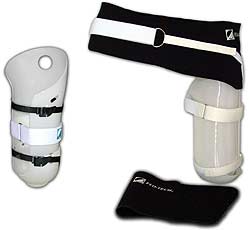


Figure 3


As with many other patient care techniques used by prosthetists and orthotists, careful attention to detail often spells the difference between success and failure. Close communication with managing physicians is also important so that each can bring his or her expertise to a successful outcome for the patient.

A second group of patients, albeit a smaller number, with similar needs are those who undergo a transfemoral amputation. Unlike the transtibial amputee, fewer options exist for this group. In our hands these systems are used for the patient with an amputation secondary to a bone or soft tissue tumor and for whom all other options have been rejected. These patients have both length and circumferential differences, making conventional sockets difficult, especially in the early weeks following surgery. This group of patients can ambulate using a partial weight bearing limitation as the prosthesis allows for a safer and less energy costly gait.

FLO-TECH® has a companion system for patients at the transfemoral level, the complete APOPPS-TF™ system. It offers the same protection, adjustability, and weight bearing capability as the TT version. And using the endoskeletal system allows the knees to be substituted as many of this group may be more active than older, dysvascular amputees of the same anatomical level (see figure 3).
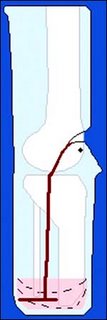


Figure 4


The APOPPS™ and the APOPPS-TF™ allow the surgeon to inspect the wound healing daily and the patient to begin walking on day two. Properly instructed patients report an advantage of the FLO-TECH® system is that by simply adjusting the straps and bands on the socket they (the patients) usually do not feel the need to remove the system. As healing occurs, socket modification is done using circumferential straps to tighten the socket, and the addition of stump socks offsets atrophy and volume changes. The VCSPS™ and APOPPS-TF™ are adjustable in AP, ML, and circumference at all levels and as such may provide optimum comfort without the need for additional stump socks, although the cushioning provided by adding more stump socks is a comfort option. Both TT and TF systems are designed with suspension systems to reduce the chance of pistoning and the friction that goes with it. One should expect more pistoning during the early stages of ambulation with the FLO-TECH-TOR™ and the APOPPSTF ™, as these sockets are designed so as not to adversely resist distal migration (see figure 4). The distal pads used in the socket are lively and will return to their original shape immediately after pressure is removed; thus the pads maintain distal contact at all times, prevent pooling of edema distally and promote healing. The pylons used are endoskeletal, allowing the length, tilts, change of components and alignment to be adjustable throughout the life of the system.

FLO-TECH® provides custom fabrication of standard, ischial weight bearing, Symes, knee disarticulation, youth and children’s sockets and systems.

Anyone using these or other systems would be well advised to review the supplement to the Journal of Prosthetics and Orthotics (JPO), Volume 16, Number 3, July 2004. This is the official finding of the consensus conference on Post-Operative Management of the Lower Extremity Amputee published by the American Academy of Orthotists and Prosthetists.

Limb Loss in Older Adults: Improving Outcomes While Reducing Costs

Preoperatively, a prosthetist can provide the surgeon with insight that can help ease the patient's adjustment to a prosthetic limb.


Of the more than 50,000 Americans who are expected to experience a lower-extremity amputation within the next year, more than two-thirds will be older adults. Peripheral vascular disease, with or without diabetes, is the primary causal factor; traumatic injury to the limb is the secondary cause. It is widely agreed that amputation is a surgery of last resort: irreparable loss of the blood supply to a diseased or injured limb is the only absolute indication for amputation.

Amputation is a particularly difficult outcome for older adults and their families. The aging process has already forced physical and mental limitations on many older individuals, and the prospect of prolonged rehabilitation can seem overwhelming. However, advances in the science of prosthetics have led to better long-range outcomes for older adult amputees. Health care professionals are in key positions to encourage these patients and to help them understand that their lifestyle can be restored.

Early Prosthetic Management

Clinical studies1 have demonstrated that early prosthetic management significantly aids in recovery, while simultaneously reducing medical costs. Whenever possible, a prosthetist should be included in the preoperative consultation. While the surgeon will not have long-term patient contact, prosthetic rehabilitation will continue for the rest of the patient's life. Developing a specialized care team at the outset—including the patient, an orthopedic or vascular surgeon, a physiatrist, a prosthetist, a psychologist, a representative of the patient's family, a general care physician, a physical therapist, a podiatrist, a pain management specialist, and a representative of the patient's family—provides the most efficient strategy for case management. There are numerous additional specialists who may be included on this multidisciplinary care team, depending on the patient's specific needs.

Preoperatively, the prosthetist can provide important insight into how the residual limb will interface with the socket of the prosthetic limb. The shape and contour of the distal end of the residual limb are important factors in reducing the potential for painful bone spurs. The manner in which the nerves are severed can help prevent neuromas from forming later. It is much easier for a patient to adjust to a transtibial prosthesis than to a transfemoral prosthesis; therefore, it is important to save the knee when possible. Together, the surgeon and prosthetist can determine the optimal point of amputation as it relates to the fit and function of the prosthesis.

Immediately postop, the prosthetist should apply a limb protector over the surgical dressing. This rigid covering creates a safe environment for the residual limb, protecting it from additional trauma and promoting healing. The limb protector prepares the limb for an initial prosthesis by reducing edema, increasing venous return, and narrowing the risk for infection. These combined attributes often result in early patient discharge, enhancing the cost-containment aspect of the case. The limb protector should be worn during hospitalization and after the patient's return home until the surgical site is completely healed.

Early ambulation encourages healing of the limb and can be tremendously beneficial to the patient's mental outlook As early as the day after surgery, the patient can don a temporary prosthesis and be touch-down weight bearing. The first temporary prosthesis is a preparatory system that is low in cost, averaging around $1,200. The use of immediate postoperative prosthetics (IPOP) results in shorter initial hospital stays, reduced time in skilled nursing facilities, and decreased incidence of return hospitalization.1

The low cost of an IPOP system makes it an attractive option for skilled nursing facilities. Typically, these facilities are reluctant to allow for the cost of a prosthesis to be included in the first 90 days of Medicare Part A; instead, they prefer that the prosthesis fall under Medicare Part B. An inexpensive IPOP can, however, fall under Part A, with the sophisticated final prosthesis being filed under Part B. This approach results in improved across-the-board outcomes: the patient's rehabilitation progresses more quickly; the skilled nursing facility discharges faster; and hospitalization and Medicare costs, return hospital stays, and revision surgeries are reduced.


Prosthetic Advances
The science of prosthetics has advanced dramatically over the past decade. This is due primarily to the evolution of new materials such as urethanes, mineral-based liners, improved silicones, titanium, and carbon fiber. Younger, more athletic amputees have pressed for high-performance legs and feet that enable them to run and sprint. This consumer demand has resulted in intensive research efforts and the development of a new breed of lower-extremity prosthetic limbs.

The very same attributes that athletes are looking for—lightweight, comfortable, responsive—also offer tremendous benefits to older adult amputees. Energy demands and cardiac workload are substantially increased for prosthetic users. Older adults often face limitations with reduced energy and cardiac function even before amputation. This further validates their need for lightweight, dynamic-performance prosthetic limbs.

The first component of the prosthesis is the socket. A greater understanding of the underlying anatomy has led to better surface matching between the residual limb and the socket. Bone, muscle, and vascular contouring greatly enhance circulation in the older adult's residual limb. The new socket materials are much more flexible than the previously used hard plastics—bending, expanding, and contracting along with the residual limb. Today's sockets are total contact, with a form fit that provides a massage-like quality that increases venous return. For the dysvascular amputee, additional physical benefits of the total-contact socket include reduced swelling in the residual limb and decreased pain and discomfort, particularly throbbing sensations. These sockets also allow older adults greater control of the prosthesis without surface damage to the fragile skin of their residual limbs. When walking, as an individual steps on the prosthetic side, the muscles in the residual limb expand and the socket also expands. When the muscles relax in the swing phase of the gait, the socket instantly contracts and clamps back onto the residual limb. This responsive quality of the socket material is known as memory.

Other components of the lower-extremity prosthesis have also been upgraded by new technology. The pylon, which connects the socket to the prosthetic foot, is the means by which weight load is transferred. Today's dynamic pylons emulate the function of the muscles and tendons they are replacing. They allow for flexibility during ambulation and can provide vertical shock absorption and torque absorption. The ankle and foot unit of the prosthesis should be adjustable and provide dynamic response. This combination offers extra cushioning and makes walking easier, thus allowing for an increased activity level and quality of life for the older adult.

A recent study indicates that when wearing a dynamic foot, users of below-knee prosthetics achieve the important goal of symmetry. This means that 50% of their time is spent on the sound foot, and 50% on the prosthetic foot.2 This is of special significance for older adults with diabetes or vascular problems because symmetry balances the stress on both the residual limb and the sound foot. When wearing a nondynamic foot, the ratio shifts and approximately 61% of the time is spent on the sound foot, with the remaining time spent on the prosthetic side.

It is important to provide an older adult with a high-performance prosthetic. These patients require the utmost in comfort and performance in order to thrive. The shock-absorbing qualities that are built into today's prosthetic components result in less injury to the dysvascular amputee's residual limb. This, in turn, minimizes further medical treatment and contains costs associated with injury, infection, pain management, and wound care.

Postamputation Care

Following an amputation, the two most critical points on the older adult's body are the residual limb and the sound foot. Both require extreme care and monitoring by a physician and prosthetist to help prevent pain, infection, and even additional amputation. The residual limb must be kept clean and dry at all times. Unless a suction-type socket is used, older adults should always wear a cushioning sock or liner between the residual limb and the socket. This protects the surface from the direct friction that accompanies ambulation, helping prevent abrasions and breakdown of the skin. Suction sockets touch the skin directly and are recommended primarily for above-knee users and patients with healthy skin on their residual limb. The residual limb should be examined regularly for signs of stress or injury.

Older adults who have lost a limb due to diabetes or vascular problems face a 33% chance of losing their sound limb within 5 years. The best preventive tool is a diabetic foot-care program that includes frequent examination of the foot for any signs of injury. Most older adults will need both a physician and a family member to help them maintain their foot-care program, particularly if a patient has failing eyesight. A podiatrist should be enlisted to clip the patient's toenails. Older adults with peripheral neuropathy need to have their sound foot examined daily by another individual.

Amputation is a difficult outcome for older adults, their families, and the medical care delivery system. With early prosthetic management, however, older adult amputees can benefit from faster recoveries, earlier discharges, and increased rehabilitation potential and independence. Advances in prosthetic design have resulted in greater comfort for the dysvascular amputee and a reduced incidence of injury or infection in the residual limb. In the managed care environment, where the focus is on cost constraint, these techniques deliver the best long-range outcomes for older adult amputees as well as for the care providers, insurance companies, and Medicare plans that serve them.

Kevin Carroll, CP, FAAOP is the vice president of prosthetics for Hanger Prosthetics & Orthotics, Oklahoma City. A practicing prosthetist who specializes in the prosthetic care of older adults, Carroll was recently named a Fellow by the American Academy of Orthotics & Prosthetics.

Wednesday, November 01, 2006

O'Sullivan's running pushes limits to the test


PEARL RIVER — The first time Brian O'Sullivan raced in his specially constructed prosthetic running leg, he took four minutes off his fastest 4-mile time. It was a jump so significant, it cemented in his mind a goal that once might have seemed improbable.

"I came back and told my wife I'm going to run the New York City Marathon," O'Sullivan said.

For her part, Adrienne O'Sullivan had no doubt. She has been watching her husband defy expectations for years, including what she sees as an inexplicable rejection from the New York City Police Department.

"What kept him out of the police department is every preconceived notion that he can't do it," Adrienne said, standing in the living room of their Pearl River home with their 15-month-old son, Kevin, last week.

It will be hard to imagine what O'Sullivan can't do as he crosses the finish line in Central Park on Sunday. The 30-year-old is in the final week of training, and completed a recent 21-mile training run in 3 hours and 27 minutes — an impressive time for anyone.

"The next day I had some shin splints and foot pain," O'Sullivan said. "These are minor injuries that every runner goes through."

O'Sullivan was born with a short thigh muscle, a condition known as proximal focal femur deficiency. The difference in length between his two legs was so great that he wouldn't have walked normally, so he underwent surgeries to remove the shortened limb and was fitted for an artificial leg.

The carbon graphite running leg he now wears, with its spring-loaded curve, bears little resemblance to the prosthetics of his childhood.

"When I was a kid, I was walking around with a wooden leg," he said.

Erik Schaffer is the president of A Step Ahead Prosthetics & Orthotics, the Long Island company that crafted O'Sullivan's leg. Each is individually made by hand, and attaches to the body through suction. O'Sullivan's situation is somewhat unusual in that he has been amputated above the knee and the artificial limb extends up to his hip.

"The materials have really changed," Schaffer said. "The legs are lighter, stronger, more responsive. They require so much less energy for the athlete to move them."

Dick Traum, the first above-the-knee amputee to run the New York City Marathon, now runs the Achilles Track Club. There will be 400 disabled people participating in New York this year with the club, either running or using hand-crank wheelchairs. Traum said the record for an above-the-knee runner is 4:54, set by Brian Froggatt in 1985.

It's a record O'Sullivan is on a pace to beat.

"That is really tremendous," Traum said. "There are probably no more than a dozen above-the-knee amputees who've even tried to do it, because it's very difficult."

O'Sullivan, who wrestled and played high school baseball at Salesian, has always been an athlete. His mother, Dianne, put together a loving tribute to her son that details his swimming at age 2, skiing as a 9-year-old and competing in track and field events while growing up on City Island.

Running a marathon is different in the sheer amount of stress it puts on the body. But O'Sullivan wants to prove something — not just to himself, but to anyone who believes he or she is limited.

"He will also teach the world that a person should not be judged by the way he looks, the same way a book should never be judged by its cover," Dianne O'Sullivan said.

In 1999, after passing the NYPD's written test, O'Sullivan underwent the medical exam that is a precursor to the agility tests. Despite hearing from the doctor that he didn't see a reason not to pass him, O'Sullivan's application was turned down.

With a father and brother in the NYPD, O'Sullivan didn't want any special accommodation, just the chance to take the physical tests required of all candidates. For months he didn't get a reason why, and finally he received an official letter saying it was a medical reason: simply "ortho."

"It's terribly vague," O'Sullivan's attorney, Brian O'Dwyer, said. "To take a kid's future away with one word."

O'Dwyer expects O'Sullivan's discrimination case in state Supreme Court to go to trial in the spring. In the long years that he has tried to break through the blue wall, O'Sullivan has moved on, but stayed in law enforcement. As an investigator for the New York State Crime Victims Board, O'Sullivan interviewed family members of those who died on 9/11. He now has a successful career with another law-enforcement agency, and a family that includes Kevin and 10-year-old Ian.

O'Sullivan's life is different than it was when he first applied to follow in his father's footsteps. He has a degree from the College of New Rochelle, a house and a career track. His own son, Kevin, toddles over to him and pats O'Sullivan's prosthetic leg, something that happens so often it seems part of the bond between father and son.

Maybe it's the pull of family tradition, but part of him wants that opportunity to pass the NYPD's physical test. He still wants to be a cop.

"Stop the nonsense and give me a chance," O'Sullivan said.

In the meantime, as he starts off across the Verrazano-Narrows Bridge this Sunday, O'Sullivan hopes to prove that he is limited only by imagination.


By JANE MCMANUS
The Journal News (Original publication: October 30, 2006

Friday, October 13, 2006

High-tech limbs can do anything you can do, maybe even better


Don't cringe, they're here to stay: Robo Cop-style, computer-controlled, battery-powered "wooden legs" made from carbon fiber and titanium, "tattooed" with decals and gaudy paint jobs like some NASCAR speed piece, hanging out there for everyone to see.
"I don't care. What you see is what you get," says Beau Marek, a 23-year-old, ex-Air Force jet-engine mechanic.
And you'll get to see it, if you're around Marek, who is letting his Adaptive high-tech leg hang out of his camo cargo shorts as he is hanging around the fabrication shop at Hanger Prosthetics & Orthotics Inc., 4920 E. Speedway.
The 23-year-old "lost" his left leg four years ago, rear-ended by a drunken driver while on his motorcycle out on Old Spanish Trail.
Marek still works on planes, now as a civilian at Davis-Monthan Air Force Base's AMARC (Aircraft Maintenance and Regeneration Center) "boneyard."
Yes, he still rides a motorcycle, though, he deadpans, "but not that one."
Can he climb stairs?
"Sure."
How about a ladder?
"Sure, I do it all the time at work. I crawl around on top of airplanes," he says.
The most he'll allow is that learning to walk right after the accident was a bit tough.
"The hardest thing was learning to walk on that "pole with a spring," his therapist's name for his first crude, low-tech artificial leg.
"He said, 'If you can walk on this, you can walk on anything,' " recalls Marek.
Marek's visiting Kevin Carroll, chief of prosthetics for Hanger, in town for a fitting clinic at the national chain's Tucson office.
There are several legs — actually combinations of knees, ankles and feet, says Carroll — that are sometimes generically referred to a "C-legs," though that is actually a brand. But because of Garry Trudeau's "Doonesbury" comic strip, in which character "B.D." is struggling with getting back into civilian life and getting around on his C-leg after a hitch in Iraq , the brand is turning into a common term.
Carroll says we'll be seeing more high-tech artificial limbs — which range in price from $30,000 to $120,000 — with all the severe injuries coming out of Afghanistan and Iraq.
But it's not a grim scene at Hanger this afternoon, with dozens of people in for fittings or to visit with Carroll.
In the shop, Carroll jokes around with Marek, telling him how he could win a bar bet by telling someone he could set a beer glass on the bottom of his shoe without spilling a drop or getting up off the stool.
Carroll then demonstrates, twisting Marek's high-tech limb, while instructing him he has to grimace more convincingly as he twists his lower leg until the toe on his sneaker is facing backwards, then rotating it 90 degrees upwards so he can set the cup on the sole of Beau's shoe — now facing the ceiling.
One of the Tucson patients Carroll got to catch up with, Rich Sainz, credits Carroll with not only fitting his first high-tech leg three years ago, but changing his life.
Sainz, 38, changed careers and went to work as a prosthetist at Hanger, fitting others, after meeting Carroll.
Carroll, 48, says Sainz had an impact on him, too. He doesn't throw around the term "inspirational"; it sounds like a cliché when describing people overcoming physical challenges. But he says Sainz sticks out among the thousands of amputees he's met over the years.
He says he got hooked on helping people who needed prosthetics when he was a child in Ireland. His mother volunteered at the hospital and he saw children with braces and prosthetic devices.
"I said, 'That's what I want to do.' "
In his job visiting Hanger's hundreds of offices throughout the U.S., Carroll says he meets a lot of people who make him feel like a whiner when his shoulder aches or he has a stiff back.
But three years ago he was in Tucson on one of his fitting clinic tours and ran into Sainz.
"He said, 'I want to run, I want to run FAST,'" Carroll recalls.
Soon, Sainz says, he was fitted with a Sprint Foot, a springy, laminated "foot" that attaches to his shock-absorbing lower leg, hydraulically dampened knee and the Fiberglass "socket" that attaches this collection of technology to his thigh.
Sainz, who sports a Superman logo on his artificial leg, says he's running 100-yard and 200-yard dashes faster than he did while at Salpointe High School.
It's a fine time for what Hanger's Tucson manager, Eric Burns, calls "a true renaissance" in artificial limbs.
Up until 10 years ago, the technology in artificial legs hadn't really changed in at least 50 years, says Carroll.
"It's Steve Austin stuff," says Eric Burns, when asked what's coming next.
● Contact reporter Dan Sorenson at 573-4185 or dsorenson@azstarnet.com

Tuesday, September 19, 2006

Woman’s prosthetic leg shows spirit


By AMBER CRAIG

Special to The Advocate Published: Sep 18, 2006

Advocate staff photo by Bryan Tuck

Kelly White gets lovingly attacked by her dogs recently on the front porch of her New Iberia home. White has not allowed her prosthetic leg to curtail everyday life’s chores, and says she someday hopes to begin a support group for those who have recently lost a limb. Left: White shows off her prosthetic leg, airbrushed with her and her husband’s nicknames.

NEW IBERIA -- Although most prosthetics are shades of tan or resemble a metallic extension, White’s left leg looks more like a vacation postcard, with dolphins suspended in a blue ocean.
White said she often receives questions and comments about her colorful leg, and she does not mind the curiosity.
She said she is proud of her leg and wants others with prosthetics to feel the same way.
“It doesn’t bother me to stand out,” said White.
White has had a prosthetic leg since an accident in 1995. While visiting Huntsville, Ala., she witnessed a car accident. A volunteer firefighter, White stopped her car and tried to help.
But while standing in front of one of the cars involved in the crash, another vehicle rammed it from behind and slammed into her left side. It was several days before she regained consciousness.
Doctors in Alabama tried for weeks to save her leg, but infection set in and White told the doctors to “go ahead and cut it off” just below the left knee.
Since then, White has learned to walk again, without a cane or crutch.
Last year White needed another leg, but she decided she wanted something that would stand out, especially when she wore shorts.
“I don’t like to wear long pants. I’m almost always in shorts,” she said.
She found a T-shirt with dolphins swimming in a deep cerulean blue airbrushed sea, and the technicians at Hangar Prosthetics & Orthotics in Lafayette laminated the shirt to her prosthetic leg.
She also had “TJ & Stumpy” written on it, for her husband and his nickname for her.
White’s two children and three step children accepted the loss of her leg early and helped her become comfortable with using her prosthesis.
She said they are even comfortable with their mother showing off her blue leg.
“That’s what kind of helped me through it all, knowing that they didn’t care (she has a prosthetic),” White said.
The 44-year-old White also gave thanks to her mother, Shirley McLean, and her brothers, Mark and Cleo McLean.
“Their support and being there for me when I fell was a big help. They literally helped me with the ups and downs that I had to go through,” White said.
She added that her late father, Bennie McLean, who died in 1990, had taught her from an early age to do for herself and not to depend on others.
She said she hopes her colorful leg inspires other amputees not to be ashamed of their prosthetics.
“I hope people see it and say ‘Why cover it?’ Don’t be ashamed of it, because you’re walking,” White said, adding that, apparently, people are getting the message.
White also has two other legs. One she wears at home that has a flat foot, and her “spare” that, like the decorated leg, has an arched foot. It is not decorated and is more naturally colored.
White said the prosthetic legs have a silicone sleeve with a pin that helps secure them to the leg stump.
John Harris, a prosthetic technician for Hangar, said that more people, especially those in the 20- to 40-year-old age range, are deciding to personalize their prosthetics, which can be made and adjusted in the office.
He credits the trend to popular television shows, like those on the Discovery Channel, that feature amputees and athletes being fitted for new, specialized prosthetics.
Wounded war veterans returning from Iraq are also gaining media attention for people fitted with prosthetic limbs.
“A lot of the stigma about prosthetics is lost,” said Harris. “The public is more informed.”
Black limbs decorated with red and orange flames seem to be one of the more popular styles, Harris said.
However, he has also seen a ranch brand on a leg, various patriotic themes and even one leg with a picture of an Indian on the side. He said that a technician can use “almost anything” or apply any color in the final layer of the prosthetic’s casing.
White said she does not believe decorated prosthetics will ever be a hit with older patients but that younger ones might show interest in them, because they can be personalized to be stylish or to show off the wearer’s individual personality.
She said she has seen the popular flames design and has heard of a man who used an iron-on T-shirt transfer to place a vintage-looking patriotic eagle on his leg.
Harris said he arranges for White to meet and mentor new amputees in the Acadiana area because of her energetic lifestyle and personality.
White, a Franklin native and 1980 graduate of Franklin High School, is still a volunteer firefighter and also takes calls for Acadian Ambulance.
“I’m always doing something,” said White. “I haven’t figured out how to relax.”
Story originally published in The Advocate

Monday, September 18, 2006

Goff: Launch of the 2006 Landmine Monitor Report

Thursday, 14 September 2006, 9:04 am
Speech: New Zealand Government
Launch of the 2006 Landmine Monitor Report


Disarmament Minister Phil Goff paid tribute to the work of those dedicated to the eradication of landmines at the launch in Wellington tonight of the 2006 Landmine Monitor Report, produced by the Campaign Against Landmines. Mr Goff spoke of the scope and nature of the problem of unexploded landmines and detailed the New Zealand contribution to the fight against all unexploded munitions.


*******

I am pleased to be here to launch this year’s edition of the Landmine Monitor.

This is the eighth edition of the report, which monitors the global ban on landmines, and tracks whether countries are implementing and complying with the Ottawa Convention.

It is a significant undertaking. A network of 71 researchers from 62 countries gathered information to produce this year’s version.

It is a valuable effort by civil society to hold governments accountable to their obligations under the Ottawa Convention. This is critical if we are to eliminate landmines and reduce, and end, the awful impact these weapons continue to have on civilian populations in many parts of the world.

Landmines are weapons that do not discriminate between soldiers and civilians, or adults and children.

We are all aware of the humanitarian consequences arising out of their use including death, amputation of limbs, long-term disability and poverty.

The 2006 Landmine Monitor estimates that there are still an appalling 15,000 to 20,000 new casualties from landmines and explosive remnants of war each year.

The Ottawa Convention

But there is, at least, a positive side.

De-mining progress under the Ottawa Convention has been impressive.

Over 740 square kilometres of land was de-mined by mine action programmes in 2005, more than in any previous year.

State parties to the Convention collectively have destroyed nearly 40 million anti-personnel mines since it came into effect in 1997, and around 700,000 in the last year alone.


The Ottawa Convention is a leading model for how disarmament and humanitarian objectives can be pursued together, and can be achieved through partnerships between states and civil society.

In an otherwise bleak period for the international disarmament agenda, the Convention stands out as one of the few bright lights.

Over 150 States are now party to the Convention, representing around 80% of the world’s nations.

New Zealand has consistently called on the 40 states outside the Ottawa Convention to join this treaty.

The Asia-Pacific could be doing better in this regard. Asia stands out as one of the most mine-affected regions in the world. Yet it also has one of the lowest rates of accession to the Convention.

In the Pacific, I am pleased to learn that the Cook Islands ratified the Convention in March of this year though we are still encouraging others of our neighbours to do so.

New Zealand Position

New Zealand ratified the Ottawa Convention in 1999 and is a strong supporter of the Ottawa process.

New Zealand’s main contribution to global mine action has been through assistance from NZAID, to mine clearance operations as well as the UN’s Mine Action Service (UNMAS).

Mine action assistance is an integral component in peacekeeping and peace building, if long-term sustainable development is to be achieved.

De-mining reduces the loss of life and limb and opens up land for economic production.

New Zealand has a strong reputation for its expertise in de-mining.

Through the work of our mine clearance experts, we have helped mine-affected communities re-build and restore their local economies.

We have supported mine clearance operations in Afghanistan, Cambodia, Iraq, and Mozambique through the provision of technical personnel.

Some 117 New Zealand Defence Force personnel, for example, were involved in mine clearing support in Cambodia.

New Zealand has also provided funding support for non-government organisations involved in mine clearance and mine awareness programmes in Cambodia, Laos and Sri Lanka.

Last year, for example, we gave over NZ$340,000 to the Cambodian Trust School of Prosthetics and Orthotics, to train people to make and fit artificial limbs for mine victims.

Our annual contribution to mine clearance and related development activity in 2005/2006 was NZ$1.3 million, down on the previous year as a number of de-mining operations came to an end.

However, NZAID will increase New Zealand’s funding to the UN Mine Action Service to $500,000 per annum from January 2007.

The New Zealand Defence Force contributes an officer to the UN Mine Action Service based in New York. Another officer is serving as an Instructor to the US Department of Defense Humanitarian De-mining Training Centre.

Our New York-based officer is currently serving in Beirut, coordinating action to clear landmines and explosive materials. This is critical for the prevention of further loss of human life and for facilitating delivery of humanitarian aid in Southern Lebanon.

Most of you will be aware of the serious humanitarian created by the use of cluster munitions in Lebanon.

One hundred thousand cluster bomblets are estimated to be lying on the ground in Lebanon. These need to be cleared before people can safely return to normal life.

We are currently considering what further assistance the New Zealand Defence Force can provide in this area.

New Zealand is also taking the lead, in concert with like-minded countries such as Norway, Sweden, Belgium, Austria, Switzerland, Denmark, Ireland, Mexico and Jordan, in calling for strong and legally binding controls on the design and use of cluster munitions.

I would like to acknowledge the work of CALM in raising awareness of this issue.

Looking to the Future

The next few years are going to be particularly challenging for the international mine ban agenda. Mine-affected States Parties will be approaching their ten-year deadline for the destruction of anti-personnel mines in mined areas, as required under Article 5 of the Convention, and a number will not meet their deadline.

Despite all the good work done, vast amounts of land remain to be cleared.

We are urging mine-affected States to put in place comprehensive and realistic plans, continue to train de-miners and to make use of all available resources.

Conclusion

There is now largely an established international norm against the use of landmines, even amongst those states that have not formally subscribed to the Convention.

Since the Convention came into force, major strides have been made in clearing mined areas, destroying stockpiled mines, reducing the number of new victims and assisting more victims.

We are inching closer to creating a world free of anti-personnel mines.

But there is still much more work to do. The information provided by the Landmine Monitor provides both a sobering reminder of this, and an important gauge, and record, of the progress made so far.

In closing, I would like to pay tribute to the International Campaign to Ban Landmines, the International Committee of the Red Cross and New Zealand’s Campaign Against Landmines.

Their, and your, work has already helped strengthen the Ottawa Convention. Their dedication to projects such as Landmine Monitor will ensure that the profile of the landmine issue remains at the forefront of political and public consciousness, and it will play a central role in moving to the ultimate goal of a mine-free world.


ENDS